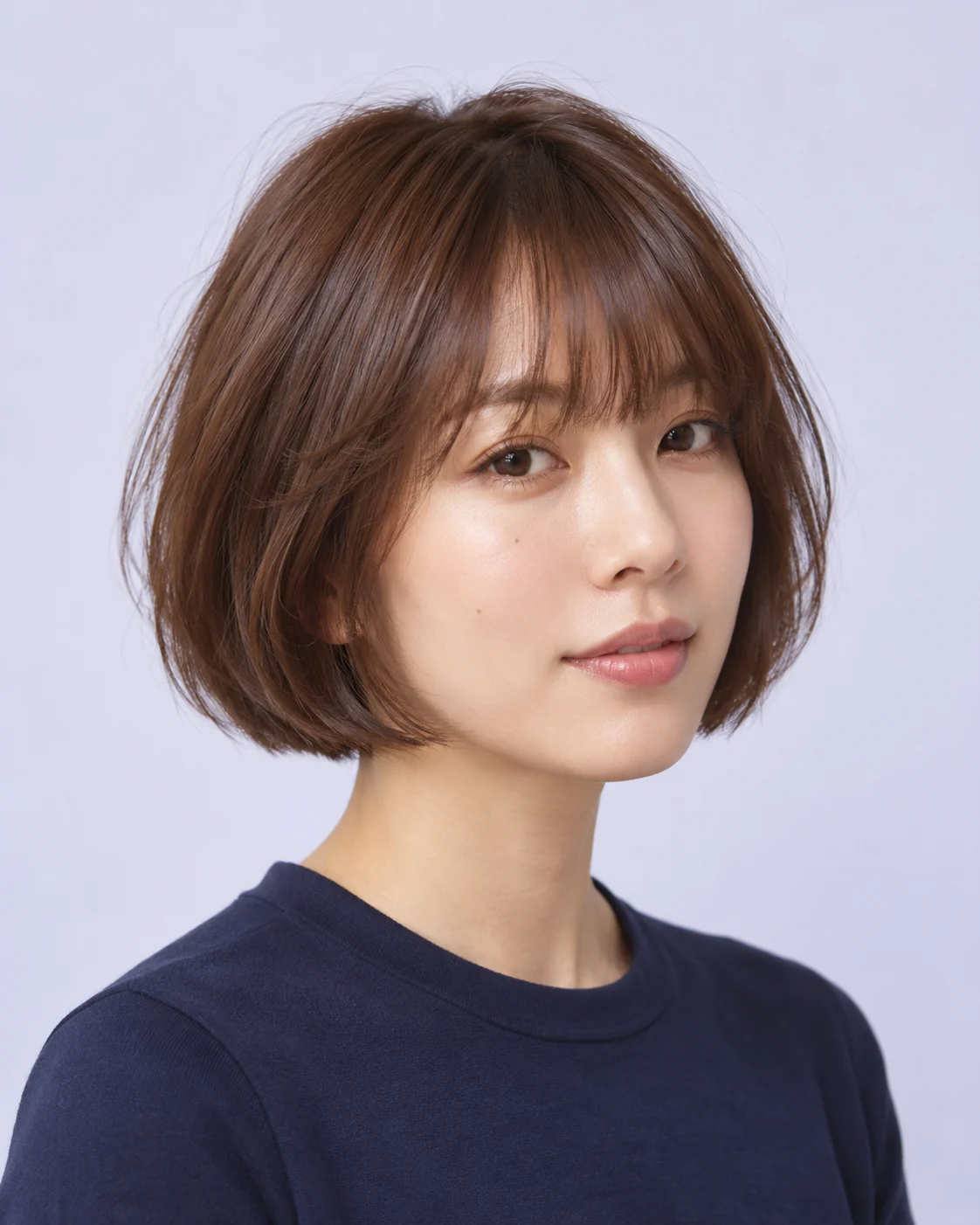
01 / short
The French bob
Compact length, with or without a fringe.
Flexible finishTie-back not assumed
A fresh perspective on cuts, color and the everyday.
Find a direction that feels like you — and a plan that fits your life.

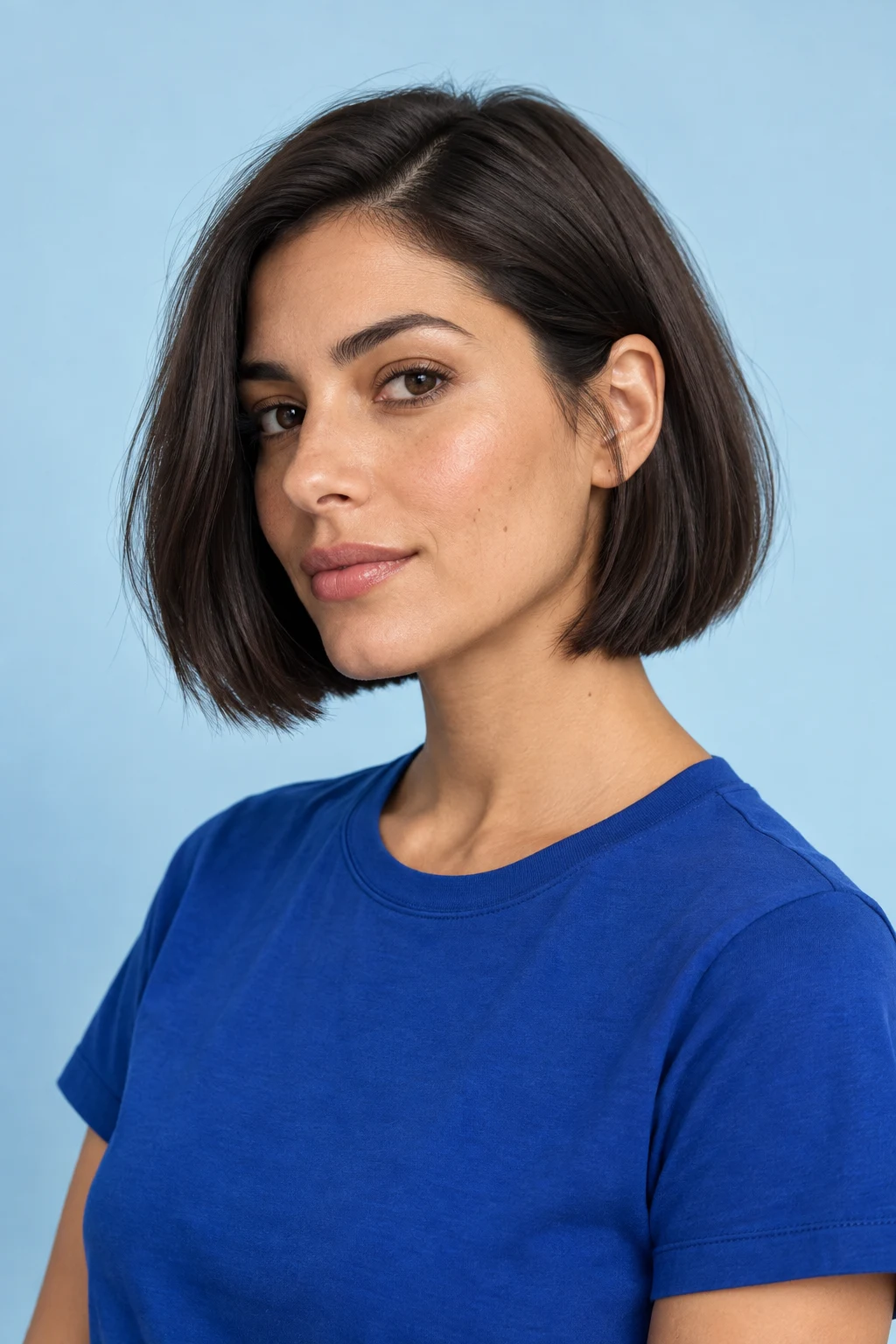
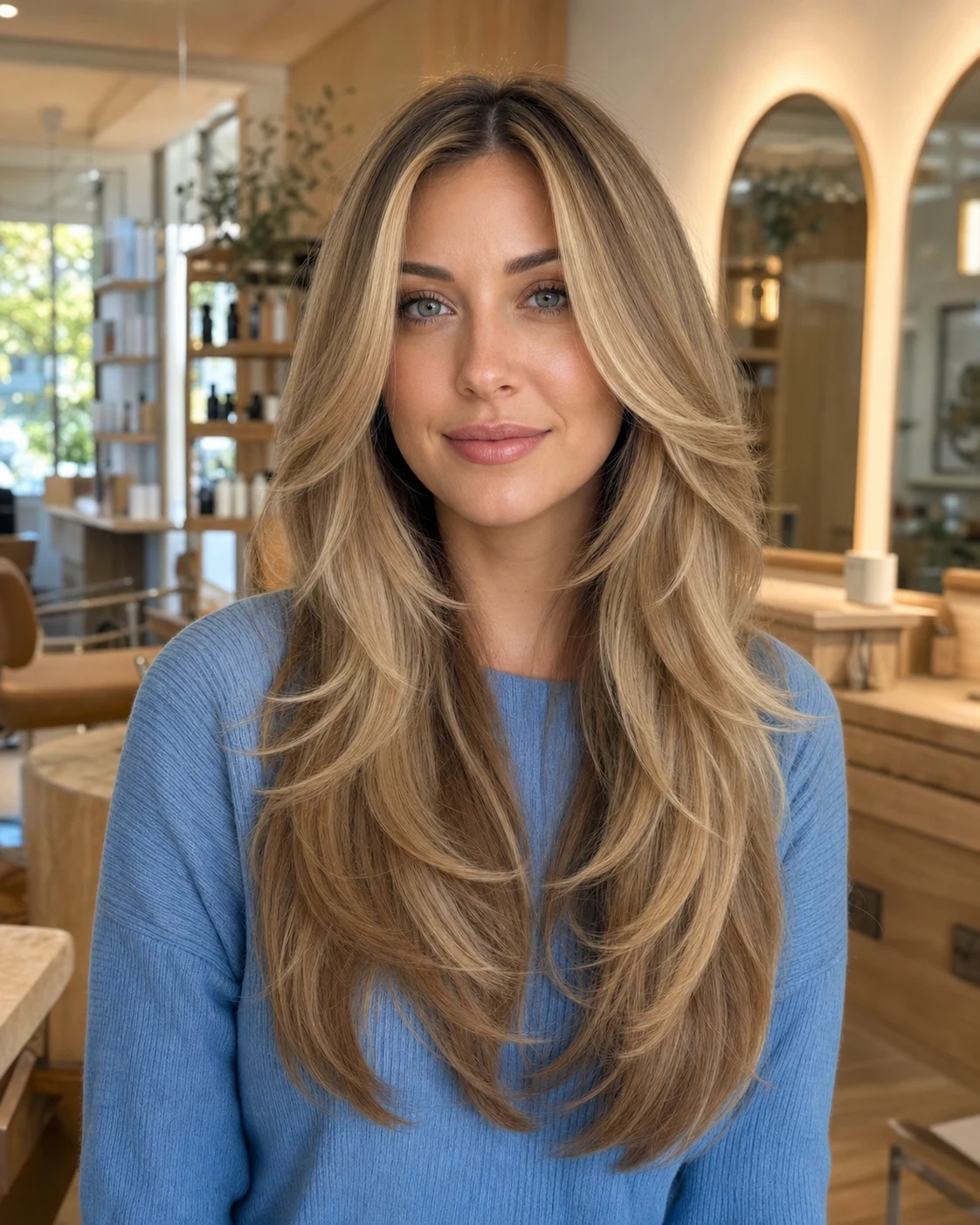 02 / MOVEMENTSoft layers
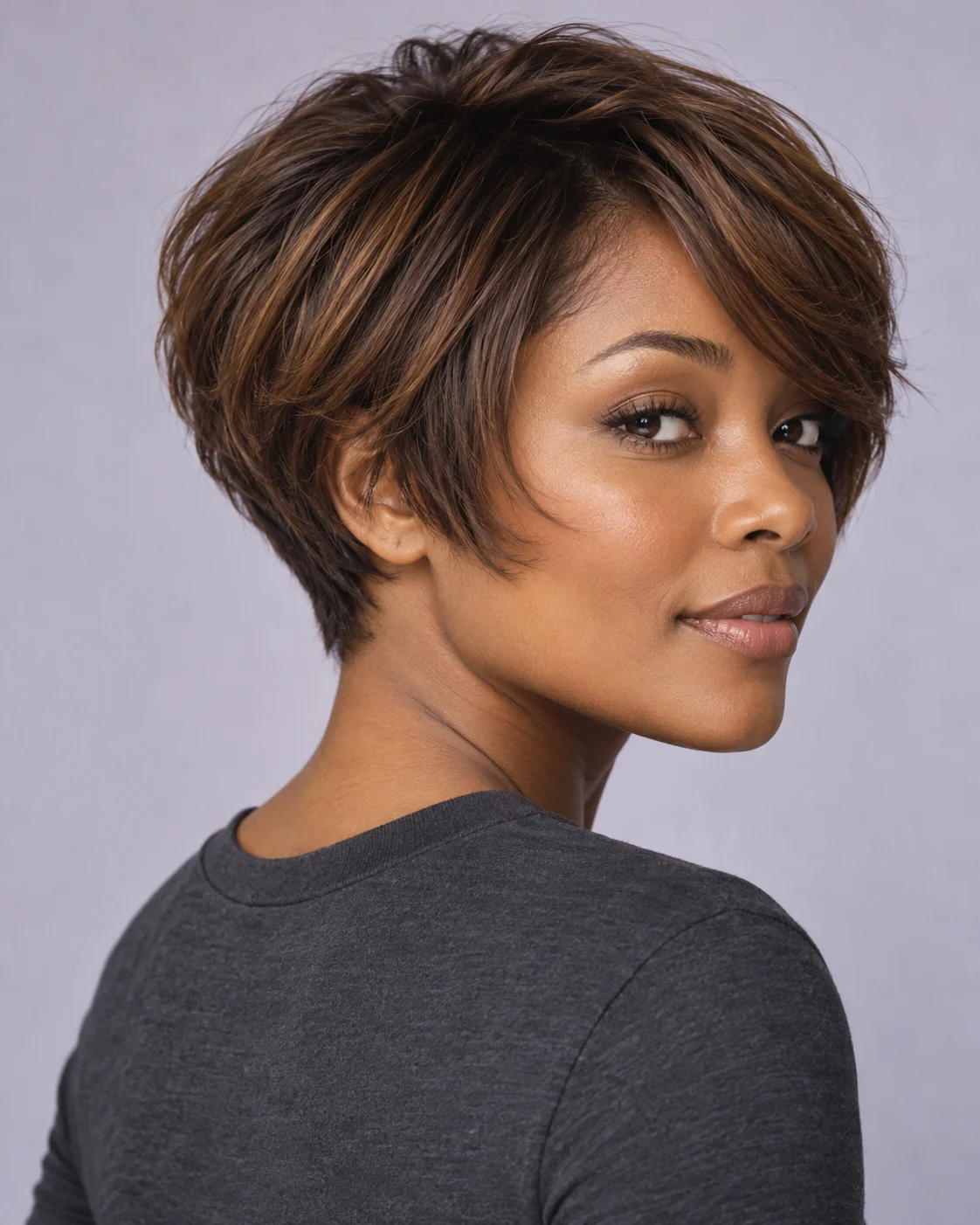 03 / A FRESH STARTThe bixie
✳ YOUR HAIR. YOUR POSSIBILITIES.
10 thoughtful guides 18 starting looks 6 useful toolsShorter, softer, a little more movement. Start with a look you love, then get to know the details.
Explore all 18 looksCompact length, with or without a fringe.

The middle length with room to negotiate.
Long length with a shorter, sweeping frame.
More shape than a grown-out pixie. Less edge than a bob.
Short, medium and long leave a lot unsaid.
The length at the back, the shortest piece near your face and the shape of the lower edge are three separate decisions. Give each one a clear description.
A jaw-length cut and a shoulder-skimming cut may both appear in a folder labeled bob, yet they create different outlines. Rather than trying to settle the name, identify where you would like the hair to sit when you normally wear it. Use landmarks you can point to: the jaw, the neck, the shoulders or the collarbone. Your stylist can then discuss how those landmarks translate to your own hair.
Look at the front and back together. A reference can have a substantial length behind the shoulders while the front pieces stop much higher. If your practical goal is a ponytail, that difference is central. Show the gathering position you actually use and ask which sections would remain outside it. A picture of the back alone cannot settle that question.
| Direction | What to decide | What to check in the consultation |
|---|---|---|
| A compact, shorter outline | How much neck or ear coverage you want to keep. | The shortest dry front section and a comfortable way to wear it away from your face. |
| A shoulder or collarbone direction | Whether you want the ends to sit above, against or beyond the shoulder area. | How the outline behaves in your usual finish and where the front needs to reach. |
| Longer hair with a new shape | Whether the change is in the perimeter, the internal movement or the face frame. | Which length is being preserved and how much of the lower edge you want to retain. |
A defined perimeter can be the main feature even when the overall length changes only a little. A more broken-up outline communicates something different. Describe whether you want the edge to look deliberate, soft or visibly separated, then ask how that intention will read in your natural finish. You do not have to prescribe a cutting technique to explain the result you enjoy.
If you are considering a big reduction in length, ask what a smaller first version would help you learn. If you are growing out a cut, identify the next useful landmark rather than imagining only the final destination. A good intermediate shape should have a purpose of its own, such as recovering an ear tuck or letting the front join a low gathering.
Sometimes the smallest difference changes the whole feeling. Compare the length, the everyday effort and the little details that make a look yours.
Compare two looksA useful haircut conversation starts with observation.
Describe what your hair does in the finish you actually wear. You do not need a perfect classification before you can make a thoughtful choice.
Pattern, strand thickness and density describe different things. Density concerns how much hair is present; fine or coarse describes individual strands. Straight, wavy, curly and coily describe pattern. One label cannot substitute for all the others. For planning purposes, explain what you notice about the outline, the ends and the areas that behave differently, then let a stylist assess the details.
Notice which feature you want the haircut itself to provide. It might be a stronger edge, a cleaner neck outline or a visible frame near the cheeks. If the reference relies on a curved-under finish or a large blowout, ask to see or discuss the plainer version as well. Decide whether you enjoy that underlying shape before treating the styled movement as part of the cut.
A useful observation is specific: the back lies smoothly, but one front section turns away from my face. That gives the consultation somewhere to begin. Calling the whole head difficult does not identify the part you want adapted.
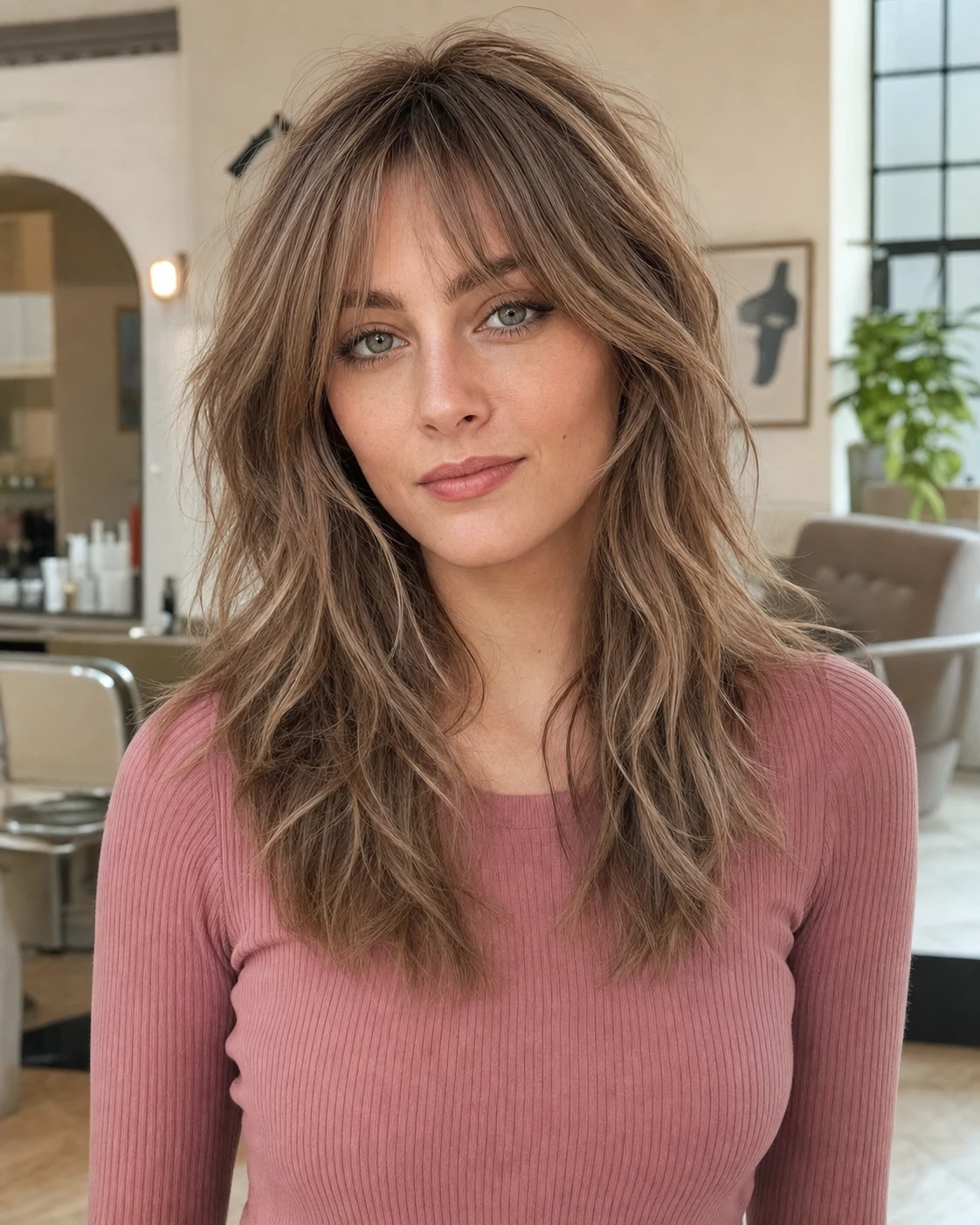
Use a reference to identify the distribution of shape, not an exact sequence of bends to reproduce. Explain where your own hair tends to lift, spread or fall more quietly. If the two sides finish differently, include that in the conversation rather than evaluating only the more cooperative side in a photograph.
Think about your part and the way you settle the front while drying. A cut you would like with your usual part may feel different with the deep side part in the reference. Keep the part familiar for the first comparison so you can judge the proposed outline more clearly.

Describe the shape you want to see around the head: closer at the sides, more width, a rounder outline or a different balance between the front and back. Ask how the shortest pieces would sit in the finish you normally wear, including areas where the pattern differs. A stretched length alone does not communicate your preferred finished silhouette.
Bring the routine into the decision. If you alternate between a defined finish and a looser gathered version, ask about both. Choosing the appearance you enjoy most is personal; making room for the other version is a practical design question.
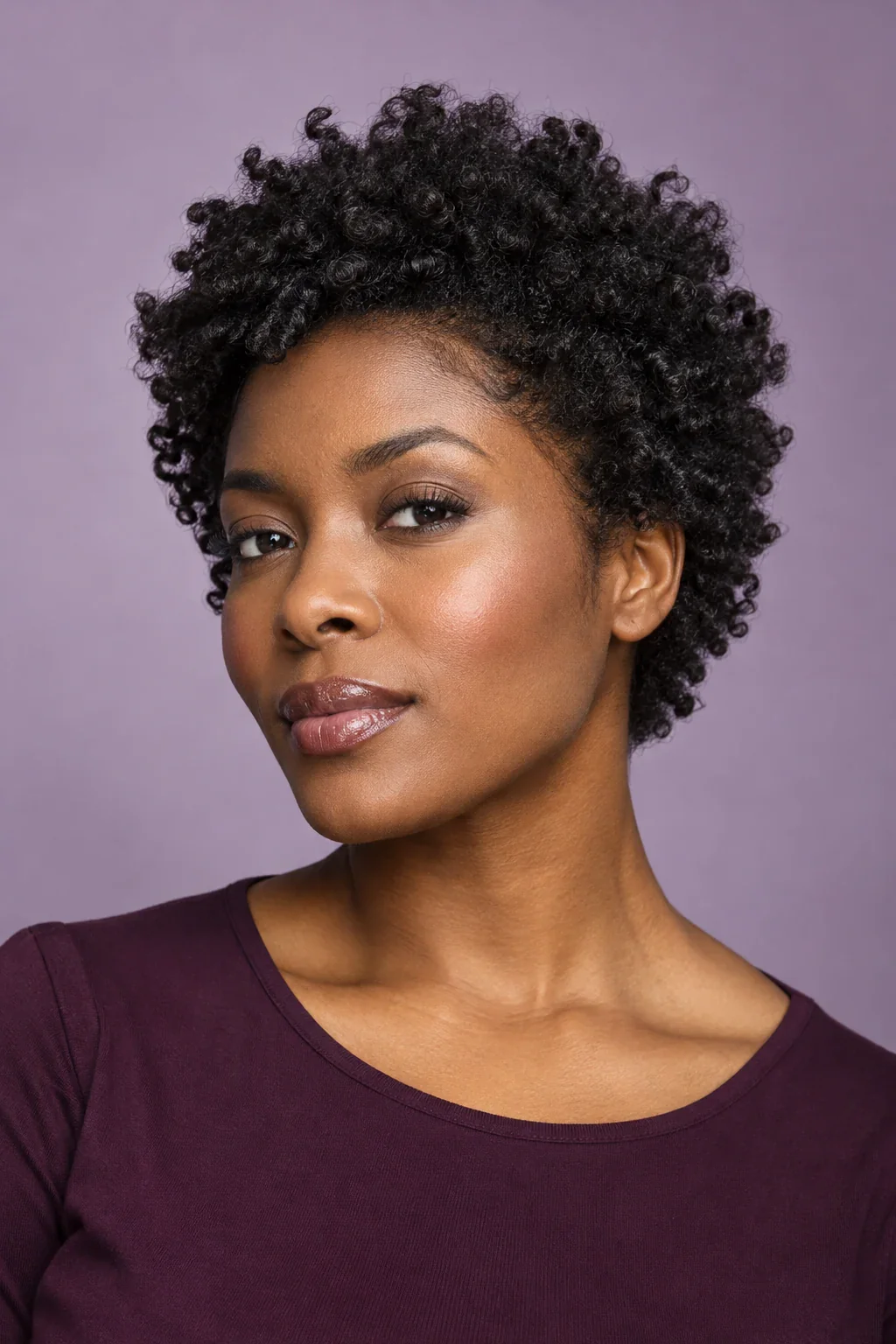
Use an ordinary finished day as your visual starting point. Explain the amount of width, height and side coverage you want, and distinguish that from the length you are preserving. A compact-looking shape can still involve decisions about different areas of the head. Ask how those areas will relate in your usual finish.
If gathering, a particular part or another everyday arrangement matters, show it. Do not let the attractiveness of a new outline quietly replace a requirement you meant to keep. You can choose an expressive silhouette and still be precise about the functional details.
Terminology background: Curlsmith’s explanation of hair density ↗. The planning questions are CutChapter’s editorial framework.
Ask where the change will happen.
The word layers can describe many arrangements of different lengths. What matters to your decision is which sections become shorter and what you expect those sections to do.
Try describing the movement you want before asking for more layers. Do you want the front to open away from your face, the sides to feel less uniform or the back to have a different silhouette? These requests can point to different areas. They also help you explain which parts should remain familiar, especially if you want to keep a substantial lower edge.
A layer discussion should include the shortest piece. Ask where it will sit in your usual finish, whether it can still tuck or gather, and what you would do with it on a day when you skip deliberate styling. Those answers are often more informative than asking whether a named cut is generally low maintenance.
A longer frame and a shorter fringe can both draw attention to the front, but they are different everyday experiences. Think about forehead coverage, glasses and the feeling of hair near your eyes. Explain whether you want the frame visible all day or would prefer to put it away easily. A reference does not reveal whether its wearer pinned the front back five minutes after the photograph.
More volume is an incomplete instruction. You may want a more substantial edge rather than extra height, or movement through the sides rather than width near the jaw. Point to the area and say what you want to see there. Your stylist can explain which version is feasible without assuming every part of the haircut needs the same treatment.
Keeping the overall length while altering the perimeter or refining the front can be a meaningful update. You do not have to add several new features to justify an appointment. If the point of the change is a cleaner outline, let that remain the main decision and ask whether any internal adjustment is needed to support it.
Terminology background: John Frieda’s overview of layered haircuts ↗. The planning questions are CutChapter’s editorial framework.
Your morning routine matters as much as your inspiration board. Let’s start there.
Find shapes that work with your natural finish, not against your morning.
The air-dry editA shorter cut can still leave room for the things you rely on.
Find a cut with tie-back lengthMake the in-between feel like a look of its own.
The grow-out guideTime at home and time in the salon are separate budgets.
An easy routine is the one you are comfortable repeating. Define the kind of effort you want to reduce before comparing two hairstyles.
There are at least three different versions of low maintenance: less active styling, fewer reshaping appointments and more freedom to wear an imperfect finish. You might care strongly about one and happily accept the others. A precise short outline and a relaxed longer shape can involve different compromises, so avoid treating their shared label as an equal promise.
Write down the routine you currently repeat rather than the one you perform for a special event. Include the front-section reset, the time spent putting hair away and any finishing you would still want with the new shape. Waiting for hair to dry while doing something else is different from actively working on it; count the commitment you are actually comparing.
| Planning input | Example | What it tells you |
|---|---|---|
| Appointment estimate | $60 every 8 weeks | 52 ÷ 8 × $60 = $390 in a steady year. |
| Additional yearly spending | $90 entered separately | $390 + $90 = a $480 example annual budget. |
| Active styling | 6 minutes on 5 days each week | 6 × 5 × 52 ÷ 60 = 26 hours across the year. |
Imagine the day when you have less time than expected. Is there an arrangement you still like: a tuck, a low gathering, a clip or an intentionally relaxed finish? Discuss that second version before choosing the cut. It should feel like a normal option, not a daily rescue operation that depends on more work than the original plan.
Ask which visible change would make you want a reshape. It could be the outline reaching an unwanted landmark or the front no longer sitting the way you enjoy. Agreeing on that trigger is more useful than taking a generic interval as a promise. Your hair, the finished shape and your tolerance for change all belong in the discussion.
Depth, warmth and placement deserve separate conversations.
You can explain what you want a color to look like without deciding the professional process. Start with the visible change and leave the technical route to the consultation.
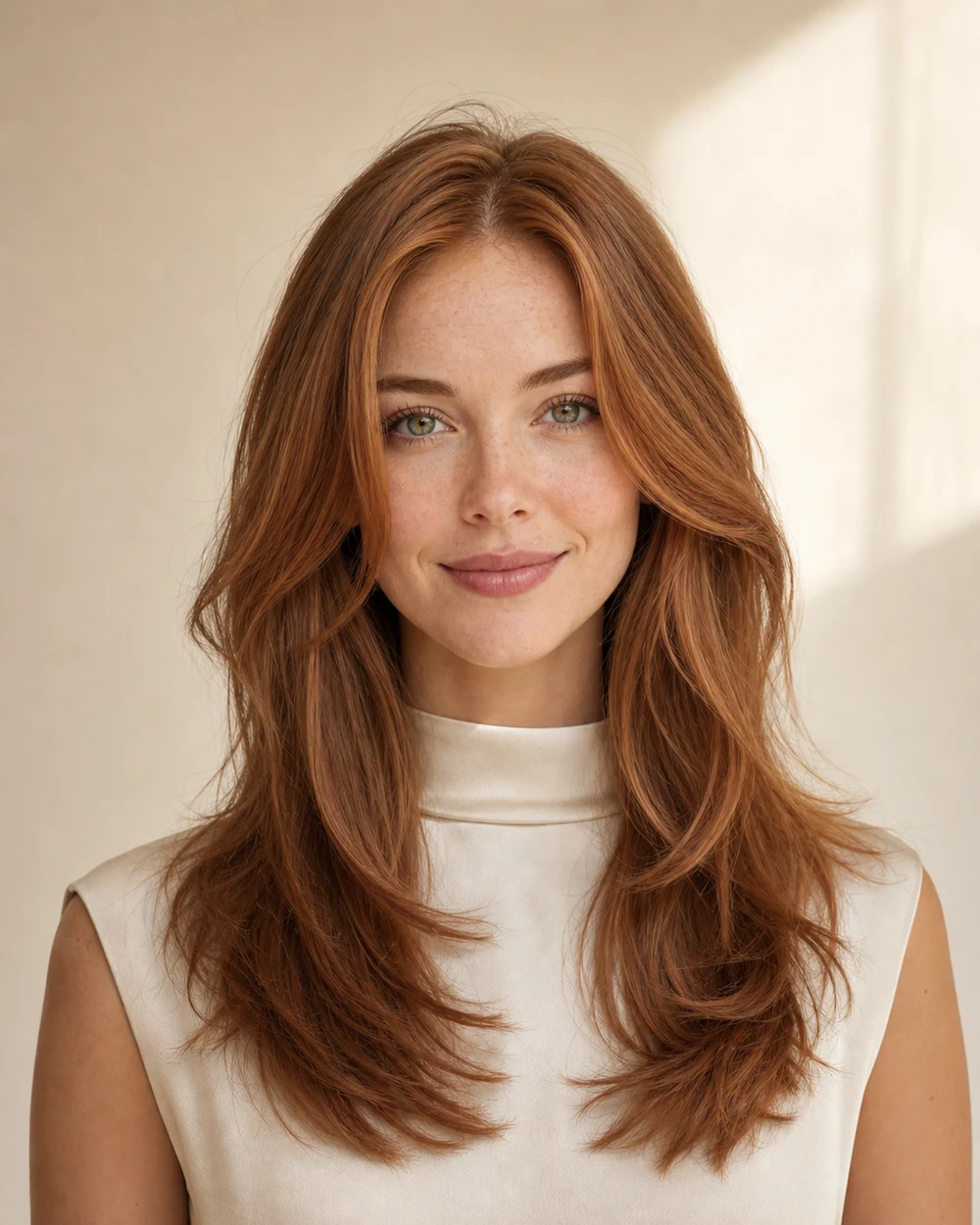
When a color photograph appeals to you, identify the part doing the work. Is the overall hair lighter or darker, warmer or cooler, or is the interest concentrated near the face? A reference may combine all three. Separating them helps you explore a smaller change if you like the mood of the picture but do not want its entire commitment.
Compare the direction against something familiar. Would you still want the color with your usual haircut, part and everyday clothing? This is a preference check, not a rule about which shades someone with your features is permitted to wear. A palette can feel expressive, quiet or unfamiliar for reasons that a rigid matching chart cannot decide for you.
Decide whether you are asking for a noticeable overall shift or a more restrained change within a familiar range. Look at the roots, the middle and the ends separately in your reference. If a striking result depends on a large difference between those areas, tell the colorist whether that contrast is the feature you enjoy or simply part of the photograph.
A warm room, colored lighting or a strong filter can influence how a shade appears. When collecting references, keep a note of the quality you want rather than relying on a color name alone. Explain whether you enjoy golden, coppery, reddish or cooler-looking directions, then ask to see relevant options in the consultation setting.
You may want brightness around the face without wanting the entire head to read as much lighter. You may prefer the opposite: a more unified overall impression. Point to where you want contrast to be noticeable and where you would rather keep a quieter transition. Technique names can be useful vocabulary, but they should not replace that visual explanation.
Give each comparison one job.
A preview is useful when it makes your preference easier to explain. You still need to decide which part you are comparing and whether the image gives you a fair view of it.
Start with the same clear source photo for the alternatives you are considering. If one image has a different pose, lighting or expression, you may be responding to that change instead of the hair. For a length decision, keep the shade and styling direction as comparable as the available controls allow. For a color decision, try to keep the outline familiar.
Look beyond whether the result is attractive as a whole. Identify the specific difference you prefer: a more open neck, a softer side outline, less visual weight near the front or a different amount of contrast. That observation is something you can take into a conversation even when the exact generated hairstyle needs adapting.
Notice whether the face, skin, background and visible hairline still make the comparison meaningful. If an output changes unrelated features or invents an implausible edge, set it aside rather than treating the more flattering image as a vote for the haircut. You are trying to learn about a hair direction, not choose a different version of your identity.
A useful saved result needs a short annotation. For example: I like how the neckline is exposed, but I would want the front longer. That sentence turns a broad visual preference into an adjustable request. It also creates room for a stylist to explain which elements translate well and which depend on the image’s invented finish.
Pair the version you like with a photo of your current hair in its everyday finish. Tell your stylist where you want to see the difference and what you would like to keep. If you are exploring color, bring your recent service history into the conversation so your stylist has a clear starting point.
The useful answer is a more precise plan.
These are hypothetical planning examples, not customer stories or documented salon results. Each begins with a different priority and ends with a question a stylist can actually assess.
The attraction is the cleaner, shorter outline. The practical boundary is being able to gather the hair for work without leaving substantial front sections loose. Those two statements should be discussed together; the word bob does not tell you whether both are possible in the version you have saved.
Begin by showing where you place the hair tie and which pieces need to join it. Compare a compact outline with a longer first version, paying particular attention to the front rather than only the length at the back. If the shorter reference gives up a feature you rely on, decide whether that is a compromise you truly want or whether the longer option answers most of the visual wish.
The consultation question becomes: What is the shortest finished shape that preserves this gathering position on my hair? The answer might change the target length, the front or the original idea. Either way, you have learned something more useful than whether bobs are generally easy.
The saved photograph appeals because the front looks intentional and expressive. You also know that loose pieces near your eyes bother you during work. Rather than treating that as a reason to abandon framing entirely, identify how much forehead coverage you actually want and how easily you want to move it away.
Wear your usual glasses in the consultation. Show the part you naturally use and the places where you touch or adjust the front. Compare a shorter fringe direction with a longer frame while keeping the rest of the proposed cut similar. Ask what you would do with each version when you are not deliberately arranging it.
Your request becomes: I want more shape at the front, but I need a comfortable off-the-face option with these frames. A stylist can then discuss the shortest useful section and the adaptation, instead of interpreting a fringe photograph as an instruction to copy every detail.
The inspiration image feels brighter and more dimensional than your current hair. Before selecting a service name, decide whether the brightness around the face, the overall lighter impression or the contrast through the lengths is the main attraction. Your budget should be part of this first conversation rather than an awkward addition after the plan is settled.
Bring a preferred image and describe a more restrained alternative you would also enjoy. Ask the colorist what is feasible from your starting point, whether more than one visit is involved and what maintaining each direction would require. An attractive first-appointment image does not provide a complete spending plan.
The useful question becomes: Which version gives me the visual change I care about within a follow-up plan I can realistically keep? The answer may involve different placement, a smaller shift or postponing part of the change. Those are design choices you can evaluate, not a failure to commit.
Go beyond the saved photo. Get to know the shape, the commitment and the possibilities.
Into the field guide01↗Find a manageable shape for thick waves by comparing length, internal weight, front pieces and the routine you actually want to keep.
 02↗
Choose curtain bangs or longer face framing by comparing forehead coverage, tuck length, cowlick behavior and everyday styling.
 03↗
Keep the length that helps your next shape. Plan the nape, ears and front separately while a pixie grows into a longer cut.
The length you want to keep. The routine you can repeat. The details you’re ready to try. Put them into a brief that makes the salon conversation easier.
Create my salon brief01 A softer shape around my face.
02 Enough length for a low ponytail.
03 A finish I can air-dry.
Bring a preference, a boundary and an open question.
You do not need a professional vocabulary to arrive prepared. A small amount of useful information can make your expectations much easier to understand.
Prepare a compact reference set rather than a large unannotated collection. One image can show the outline, another the front and another the shade, but explain that they are separate pieces of the idea. If a reference contains something you do not want, label it. Otherwise an incidental feature can be mistaken for part of the request.
Bring your everyday conditions into the room: the glasses you wear, your usual part, a gathering you rely on and the amount of active styling you would choose. Describe previous services when discussing color and ask what other information the professional needs. The purpose is to give the consultation a reliable starting point, not to preselect every technique.
Ask the stylist to describe the agreed plan back to you in visible terms. Confirm the finished length, the shortest front piece and which feature is staying familiar. For a color service, clarify the intended visual direction, the appointment scope and the proposed follow-up. If you are unsure about a detail, use that moment to resolve it before the work starts.
Ask how to wear the shape in your preferred everyday finish and what a simpler alternative would look like. Identify the visible change that would make a later reshape useful. If a particular front section needs deliberate styling, make sure you understand what that involves so you can decide whether the routine suits you.
Keep a brief record of the version you enjoy and the detail you would adjust. For example, the neckline feels right but the front needs longer reach, or the overall movement is welcome but the preferred part needs explaining again. Specific observations give a later appointment direction. They are more useful than deciding from one unusually good or frustrating morning.
A little more context for the choices you are making, with answers you can use right here.
All your questionsAsk what the smaller version would help you learn. If a different perimeter or a longer frame would answer your main question, it can be a useful first step. If the visual feature you want depends on a substantial length change, acknowledge that directly and discuss its practical consequences. Neither size of change is inherently better; the useful choice has a reason beyond feeling obliged to do more.
Look for the feature you are responding to in each one. You may be drawn to an open neckline in one image, movement in another and a shade in a third. Write those down separately. Then choose which feature matters most for the next appointment. Combining every appealing detail immediately can create a request that is hard to visualize or adapt.
Yes, a change in the outline, front or distribution of movement can create a different impression without making overall length the main experiment. Be clear about which length you mean to preserve, including the shortest pieces that matter for gathering. Ask the stylist to explain the proposed change in relation to that boundary, rather than assuming keeping it long makes every shorter section acceptable.
A similar everyday finish can make a comparison easier to interpret, but you can also use a different-texture reference to communicate one specific feature. Explain that you like the outline or placement, rather than requesting every part of the finish. Ask what would need adapting and which parts of the image cannot be inferred from a haircut alone.
Bring as many as you can explain clearly, rather than aiming for an arbitrary number. A small selection with distinct roles is usually easier to discuss than several contradictory full looks. Label the outline, front or color you mean in each picture, and identify anything you specifically do not want. The annotations are often the most useful part of the set.
Ask which constraint is driving the recommendation and which part of your preferred image could still be preserved. A longer front, a different dry landing point or a smaller initial color shift may keep the feature you care about while changing the route. You can decide whether that adaptation still feels like your goal before agreeing to it.
Keep a note of the visual feature you enjoy, such as the amount of neck shown or the balance of lightness near the face. Avoid treating the entire image as an achievable specification. If unrelated facial features, the hairline or the natural pattern have changed, the result is a weak comparison. Bring the annotated preference into a professional consultation instead of asking for a pixel-for-pixel copy.
Identify the main visible change you want, the everyday function you want to preserve and the question you need answered. That combination helps you explain the appointment you are considering and ask about the appropriate consultation or service. You can leave the final shape open while still arriving with a thoughtful, specific starting point.
